
Understanding EVs
Electric vehicles are more practical than ever, with expanding charging infrastructure, improving range, and lower long‑term ownership costs making day‑to‑day driving easier and more affordable. Today's EVs also offer advanced technology, instant torque, and a quieter, smoother ride-without compromising performance or comfort. Whether you're looking to reduce fuel expenses or future‑proof your next vehicle purchase, an EV delivers modern efficiency built for today's driving realities.
Which EV is Right for Me?
Benefits of Plugging In
96%
Owning an EV
Understanding Charging
Charging times vary depending on the type of charger, the vehicle's charging capability, and battery size.
- Level 1 chargers use a standard household outlet and typically add about 3-5 miles of range per hour. This makes Level 1 best suited for plug‑in hybrid vehicles or EV drivers with very short daily commutes.
- Level 2 chargers can be installed at home by a licensed electrician or found at workplaces and public locations. Depending on the charger and vehicle, Level 2 typically adds 10-60 miles of range per hour, with most home installations averaging 25-40 miles per hour.
- Level 3 DC fast chargers are found at commercial and highway locations and provide the fastest charging available. Modern DC fast chargers can add 100-300+ miles of range in about 20-30 minutes, depending on the vehicle and charger power. These chargers are ideal for road trips and quick top‑ups.
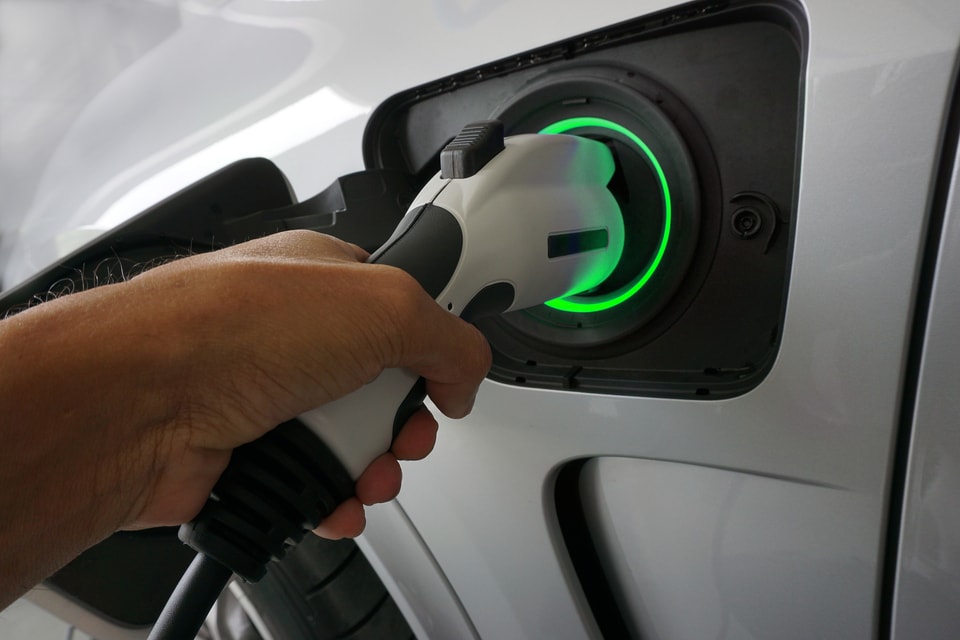
Charging from Home
For plugin hybrid vehicles a standard outlet (Level 1) will be enough for overnight charging. For battery electric vehicles, a Level 2 charger will require professional installation by a licensed electrician. If you live in an apartment or condo, consider talking with the property owner about installing a charger or use a nearby public charger. Talk to our sales staff to find out more about charging from home.

Battery Care
Most batteries will last between 100,000 and 200,000 miles when properly cared for. With battery technology continually advancing, that number will continue to increase. If you can keep your battery between 20% and 80% charged most days and avoid extremely hot temperatures, you can expect your maintenance to be minimal.
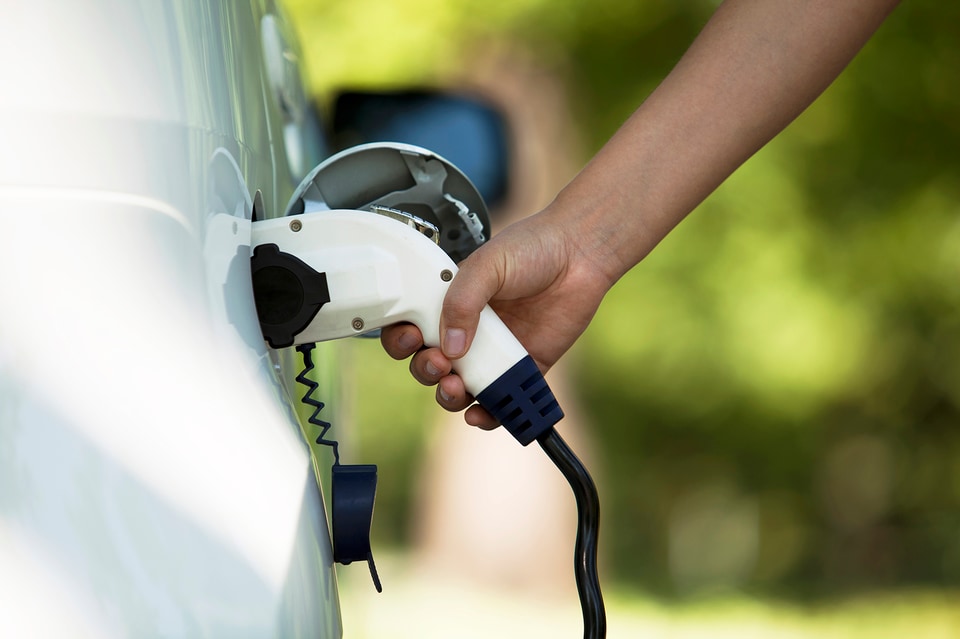
Charging Stations Near Conicelli Autoplex
Common Questions
Other advantages of owning an EV include:
- Eligible EVs may also qualify for HOV lane access, which are normally restricted to vehicles with multiple passengers.
- Many electric companies offer lower rates based on the time of use. With EVs, you can save money by charging during off-peak times.
- If you're able to charge from work or home, there's usually no need to stop to refuel like you would in a gas-powered vehicle.
- EVs produce zero tail-pipe emissions resulting in cleaner air and better health.
This will vary depending on the local price of electricity and gas and where you are charging (at home or public charger), but most EV owners can expect to save on fuel cost. A recent Consumer Reports study found the “typical EV owner who does most of their fueling at home can expect to save an average of $800 to $1,000 a year on fueling costs over an equivalent gasoline-powered car.”
Source: Benjamin Preston. October 08, 2020. EVs Offer Big Savings Over Traditional Gas-Powered Cars.
https://www.consumerreports.org/hybrids-evs/evs-offer-big-savings-over-traditional-gas-powered-cars/A recent Consumer Reports study found “maintenance and repair costs for EVs are significantly lower over the life of the vehicle – about half – than for gasoline–powered vehicles, which require regular fluid changes and are more mechanically complex. The average dollar savings over the lifetime of the vehicle is about $4,600.”
Source: Benjamin Preston. October 08, 2020. EVs Offer Big Savings Over Traditional Gas-Powered Cars.
https://www.consumerreports.org/hybrids-evs/evs-offer-big-savings-over-traditional-gas-powered-cars/Gas powered vehicles offer a range of 300-400mi. Battery electric vehicles offer a median range of 250mi. For EV owners who charge at home, this is more than enough for daily use. For longer drives beyond the range of your vehicle, check a public charger map for charger availability along your route.
- Level 1 chargers use a standard household outlet and charge about 2-5 miles of range per hour, making Level 1 a good choice for plugin hybrid vehicles but not battery electric vehicles.
- Level 2 chargers can be installed at your home by a professional electrician and charge about 10-20 miles of range per hour. A good choice for any EV when charging overnight or all-day is possible.
- Level 3 fast chargers are the most efficient and can be found at commercial locations. Level 3 can charge about 60-80 miles of range in about 20 minutes, making it a good choice for any EV when a quick charge is needed on the go.
Yes, Level 1 and Level 2 chargers can be used at home. In fact, the standard 120V outlet supports a Level 1 charger. Level 2 chargers require 240V and can be installed by a licensed electrician. If you do not own your home, you may need to work with your property owner to install a Level 2 charger.
Most batteries will last between 100,000 and 200,000 miles when properly cared for. With battery technology continually advancing, that number should continue to increase.
Ready to Shop?
EV or gas-powered, we have you covered.
How Can We Help?
* Indicates a required field